The Illinois Public Health Association, an affiliate of the American Public Health Association, is Illinois’ oldest and largest voluntary organization devoted exclusively to matters of public health.

HIV/AIDS, STI, and Viral Hepatitis

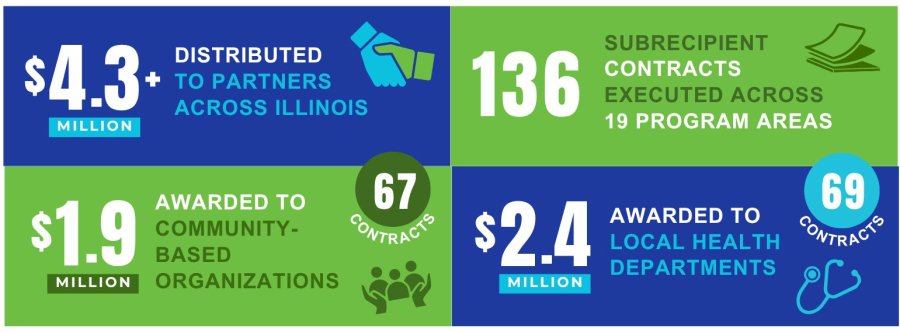
This year, the Illinois Public Health Association (IPHA) marks 86 years as Illinois’ statewide convener, advocate, and resource for the public health professionals and organizations that keep our communities healthy. As we close State Fiscal Year 2026, I am proud to share our FY2026 Annual Report, demonstrating what that partnership has produced and what it means for your work. Securing and distributing grant resources to partners across Illinois is among the most tangible ways IPHA supports the network, and one of our core responsibilities. IPHA pursues opportunities across government and the private sector, working to ensure those resources reach the local health departments and community-based organizations best positioned to put them to work. In SFY26, that meant:
The value of IPHA membership extends well beyond grant distribution. Through our Third-Party Billing program, local health departments have recovered nearly $50 million in public health services reimbursement, the direct result of technical assistance, credentialing support, and billing infrastructure IPHA has built and sustained over time. Members also benefit from the CHW Capacity Building Center, statewide vaccine education initiatives, HIV and viral hepatitis 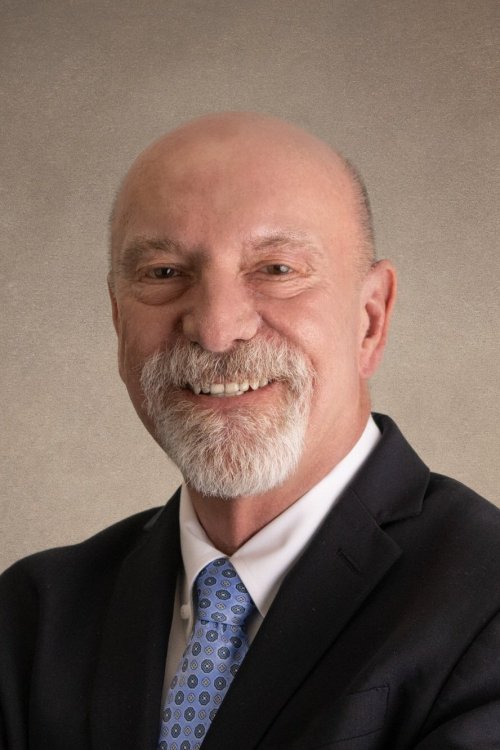
After 86 years, Illinois communities are healthier because of the work happening at the local level every day. IPHA’s role is to ensure members have the resources, support, and partnerships to sustain that work. We are proud to serve in that capacity and look forward to our continued partnership in the year ahead.
I hope you’ll take a few minutes to read through this report and see the full picture of what we’ve accomplished together this year. Please don’t hesitate to reach out to me directly with any questions, or if you’re interested in getting more involved with IPHA’s work, whether through our programs, advocacy efforts, or upcoming events.
Sincerely,
| Tom Hughes | |
| Executive Director |

Community Health
Throughout FY26, the Community Health Worker (CHW) team strengthened Illinois' public health infrastructure by advancing CHW integration, expanding cancer prevention initiatives, building strategic partnerships, and elevating the role of CHWs across healthcare and community-based settings.
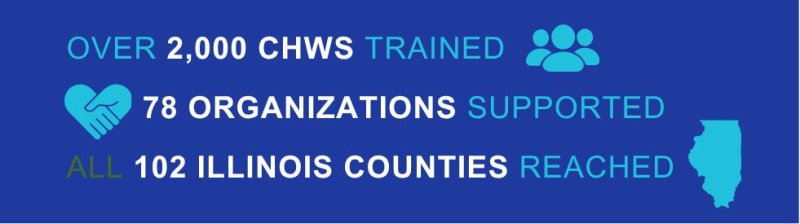
The team trained more than 2,000 CHWs and provided technical assistance to 78 organizations, including local health departments, Federally Qualified Health Centers (FQHCs), healthcare systems, and community-based organizations. Staff conducted more than 20 site visits and delivered over 24 presentations statewide on CHW workforce development, program integration, sustainability, and best practices. The team's impact extended to every corner of the state, supporting initiatives in all 102 Illinois counties.
The team also advanced cancer screening and prevention through collaboration with local health departments, FQHCs, and healthcare partners, including promoting Cologuard® and other evidence-based screening strategies, and developing cancer focused training and technical assistance for FQHCs statewide.
Partnership development remained a cornerstone of the year's success. The CHW team cultivated relationships with managed care organizations, philanthropic funders, healthcare providers, and community-based organizations to support long-term CHW sustainability, and served as a key partner with the HAP Foundation on the Lake County CHW Project.
The team's leadership was recognized at the state and local level: staff remained active in the Illinois Community Health Worker Review Board process, contributed to the Illinois Department of Healthcare and Family Services’ informal CHW working group on reimbursement and billing, and team leadership was appointed by Illinois Department of Public Health (IDPH) Director Dr. Sameer Vohra to the Alzheimer's Disease Advisory Committee.
Collectively, these accomplishments reflect a sustainable, skilled CHW workforce; expanding access to preventive services; advancing policy and reimbursement opportunities; and partnerships that create lasting improvements in community health across Illinois.
HIV/AIDS, STI, and Viral Hepatitis
The HIV/AIDS, STI, and Viral Hepatitis Program at IPHA builds Illinois' capacity for community-based outreach, education, testing, and linkage to care, connecting people across the state to the prevention and treatment services they need to reduce new HIV, STI, and viral hepatitis infections. Through funding primarily from the Illinois Department of Public Health, IPHA manages a portfolio of programs that partner with nearly 50 public health organizations statewide, with programming centered on health equity, stigma reduction, and outreach to populations disproportionately impacted by HIV, STIs, and viral hepatitis.
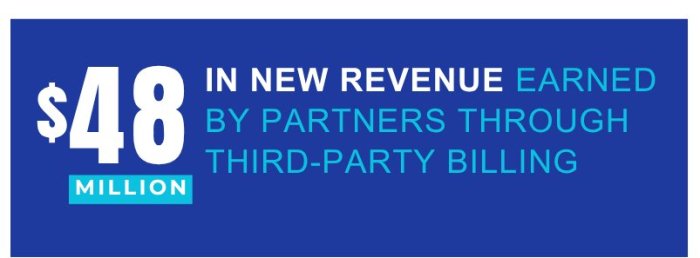
The program's Third-Party Billing initiative has spent more than a decade building local health departments' and community-based organizations' capacity to bill for essential public health services such as HIV, STIs, and immunizations. Through April 2026, partners assisted by this work have earned nearly $50 million in new revenue to sustain core public health services in their communities.
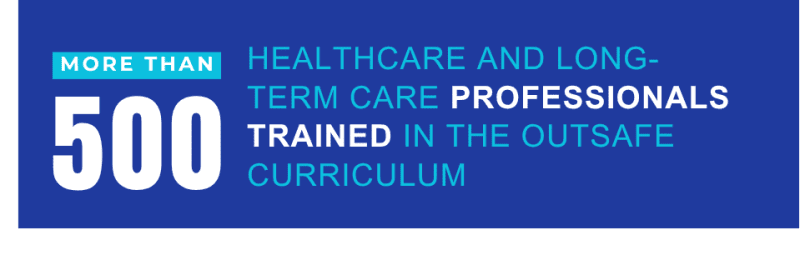
A new statewide partnership with the Public Health Institute of Metropolitan Chicago is expanding affirming care for transgender, gender diverse, and LGBTQ+ individuals, training more than a dozen CHWs as Healthcare Navigators to provide affirming care to this vulnerable population in Illinois.

Each year, IPHA’s Policy and Government Relations team advances legislative and policy priorities that support the health of Illinois communities. In FY2026, that work took on new weight: an unusually fast-moving federal policy environment tested public health organizations across the country, and IPHA met the moment, remaining a steady, trusted source of information and action for members navigating a year of significant change.
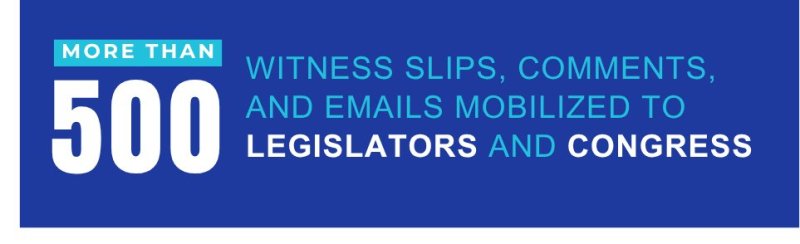
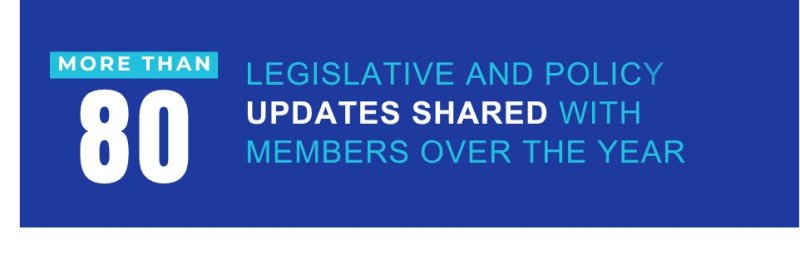
IPHA advanced state priorities including increased funding for local health departments, expanded SNAP benefits, and new food safety provisions for food trucks, while helping members understand and respond to major federal developments, including changes to the Advisory Committee on Immunization Practices, shifts in public health program funding, and revisions to professional degree program definitions under the One Big Beautiful Bill Act. IPHA mobilized partners to submit almost 500 witness slips, comments, and emails to state legislators and members of Congress, delivered more than 80 legislative and policy updates to members between January 2025 and June 2026, and conducted more than 20 advocacy trainings for local health departments, community based organizations, and public health student organizations. The year also included IPHA’s Student Advocacy Day, more than 15 published public health impact statements, and presentations at state and national meetings.
In 2026, IPHA joined the Healthy States Collaborative, a network of nearly 35 state based public health associations representing millions of Americans, expanding its voice in a coordinated, multi-state effort to advocate for investment in chronic disease prevention, rural health care workforce, local economic development, clean air and safe drinking water, and secure food systems.
Heading into FY2027, IPHA carries this momentum forward: continuing to fight for long-term investment in public health, deepening dialogue with partners, and advancing policy recommendations that strengthen the field at every level.

Through decades of leadership in aging and public health, extensive statewide partnerships, and a robust CHW infrastructure, IPHA has established itself as a trusted leader in promoting healthy aging across Illinois, empowering individuals and communities to age with health, independence, and dignity.
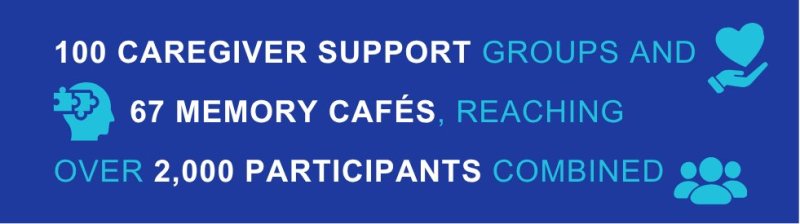
IPHA’s Dementia Caregiver Program uses a CHW model to provide culturally responsive education, support, and resource navigation for caregivers of individuals living with Alzheimer’s Disease and Related Dementias (ADRD), with a focus on reaching Black/ African American, Hispanic/Latinx, and Asian American caregivers through trusted partnerships including the NAACP Madison Branch, Latino Alzheimer’s and Memory Disorders Alliance (LAMDA), Midwest Asian Health Association (MAHA), and The HAP Foundation. During FY26, the program hosted 100 caregiver support groups and 67 memory cafés, reaching 932 and 1,117 participants respectively. CHWs also provided extensive resource navigation, including 2,354 insurance assistance referrals, 1,604 Alzheimer’s information and education referrals, and 906 mental health resource referrals, alongside a robust training series covering topics from nursing home navigation to coping with grief and loss.
The program’s impact is best reflected in the families it has served. When a senior couple reached out to MAHA with concerns about cognitive and memory changes, a CHW conducted an AD8 dementia screening, clarified common misunderstandings about dementia, and connected them with Chinese-speaking dementia specialists near their home, sharing follow-up resources through WeChat to accommodate their hearing difficulties. In another instance, a woman who attended a Community Based Organization (CBO) dementia workshop joined the Dementia Caregiver Support Group seeking help caring for her mother-in-law. When she shared a difficult pattern of accusations common in dementia patients, the facilitator and fellow caregivers offered strategies and shared their own experiences, and she left committed to returning. Caregivers consistently report increased confidence, reduced isolation, and greater ability to support loved ones living with ADRD.
As a partner with the Illinois Chapter of the Alzheimer’s Association on the Illinois Brain Health Project, IPHA expanded brain health awareness and built CHW capacity statewide in FY26. CHWs served as community ambassadors through convening sessions for rural and urban communities, three trainings on brain health topics, and outreach at statewide CHW and public health conferences. Brain health messaging reached members through social media, with special emphasis during Brain Health Month, and two brain health blog posts were published on the Help.Guide.Thrive website, where a dedicated Brain Health resource hub is in development.

Annual Conference
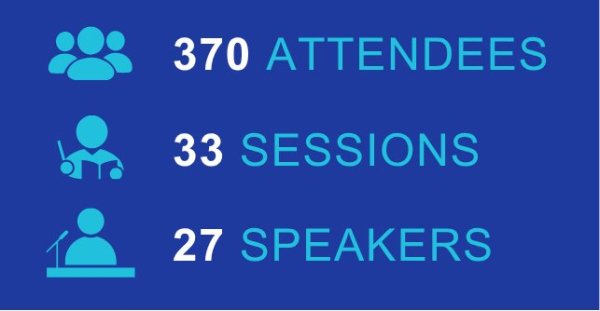
IPHA marked a milestone in September 2025, joining its Annual Meeting and CHW Summit for the first time to create the IPHA Annual Public Health Workforce Conference, held in Bloomington-Normal. The inaugural combined conference drew 370 attendees, along with 19 sponsors and 35 exhibitors.
The conference opened with eight pre-conference workshops, including the highly requested Poverty Simulation and Stop the Bleed trainings, and for the first time organized its programming into four conference tracks to help attendees navigate the day. In total, the conference featured 33 sessions from 27 speakers and 19 poster presentations across Traditional and Creative Discovery Project categories, with People’s Choice Awards presented to top posters in each category at the award luncheon.
Keynote speakers included Andrea Flack-Wetherald of The Center for Brave Communication, who presented “The Waiting Room: Practical Skills for Facing Uncertainty,” and Abby Tighe of The National Public Health Coalition, who spoke on “Prioritizing Public Health Advocacy: Going Back to the Basics to Rebuild Trust with the Public and Policy Makers.”
The conference recognized seven award winners and four graduate student scholarship recipients at the award luncheon, with award winners invited to bring a guest and scholarship recipients able to bring up to two guests to celebrate the moment. Attendees also enjoyed puppy therapy hosted by the Humane Society of Central Illinois and complimentary professional headshots from Two Twigs Photography.
IPHA at APHA 2025
In November, IPHA represented Illinois at the American Public Health Association’s (APHA) Annual Meeting in Washington, D.C., joining more than 12,000 public health professionals, researchers, and advocates from around the country for a week focused on workforce development, community health, and data-driven innovation.
Illinois leadership was featured in three national presentations. Deputy Executive Director Jeffery Erdman presented IPHA’s Supervisory Skills for Public Health Leaders Training Course, developed with health administrator Miriam Link-Mullison and already delivered to more than 300 leaders across nearly half of Illinois’ local health departments and the Illinois Department of Public Health. “Public health leaders lead by effective example, and they’re the key to the next generation of public health leaders,” Erdman told attendees.
Leslie Carnahan, PhD, MPH, of the University of Illinois Cancer Center, shared findings from the 2023-2024 Community Health Worker Common Indicators and Training Experiences Survey, a statewide study supported by IPHA and 15 partner organizations.
Arné Burns, IPHA’s Health Education and Training Specialist, presented research surveying more than 550 Midwestern college students, finding nearly one in three experienced food insecurity, more than double the national average, with clear ties to mental health and academic outcomes.
IPHA also strengthened its role in national public health governance and partnership. Jerrod Welch, Public Health Administrator of the Adams County Health Department, represented Illinois for a third year on the APHA Governing Council, the association’s highest decision-making body, where members passed a near-unanimous resolution recognizing public health as the response to hate-related speech.
Through the Great Lakes Public Health Coalition, IPHA joined regional partners for a dinner presentation on Deloitte’s HealthPrism, a data tool now integrated into IPHA’s programs. “HealthPrism is a total game changer,” said Executive Director Tom Hughes. “It allows us to identify transportation barriers, track chronic disease more effectively, and make informed decisions about where to place health workers and resources.” IPHA also began new conversations with public health associations in North Carolina and Maine.
At the Exhibit Hall, IPHA co-hosted a booth with communications partner Morreale Communications, welcoming more than a dozen new members over the course of the conference. And on the National Mall, IPHA members joined hundreds of advocates from across the country for the Rally for the Public’s Health, calling for continued investment in the nation’s public health infrastructure.
Student Advocacy Day
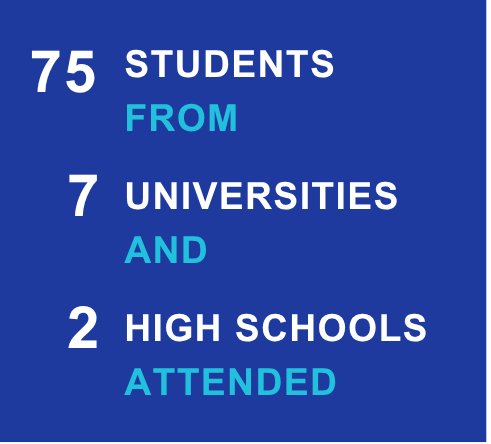
IPHA held its annual Student Advocacy Day on April 17, 2026, at the University of Illinois Springfield, co-hosted by the UIS Public Health Student Association. Seventy-five students from seven universities and colleges and two high schools attended, with public health faculty from several universities, including the Southern Illinois University School of Medicine, helping plan and coordinate the day.
Ryan Thomas, MPH, Assistant Secretary of the Illinois Department of Human Services, delivered the keynote, “From Personal Loss to Public Impact: The Urgency of Public Health Advocacy,” sharing what drew her to a career in public health and closing with a charge to attendees to “be bold, be vigilant, be courageous.” One student reflected that the address was a reminder that “public health is about more than just numbers and data, it involves the people impacted by every action taken and every decision we make as a public health professional and advocate.” The Honorable Rep. Nikki Budzinski offered recorded welcome remarks encouraging students to share their stories directly with members of Congress.
Attendees then worked through a full day of practical training: a session on reading and understanding public health law from Sabrina Adler and Katie Hannon Michel of ChangeLab Solutions, a peer-led presentation from Western Illinois University graduate students on how a bill becomes law in Illinois, and a workshop on building effective policy one-pagers. Students applied what they learned in breakout groups, reviewing legislation from the spring session and preparing and presenting their own advocacy messages.
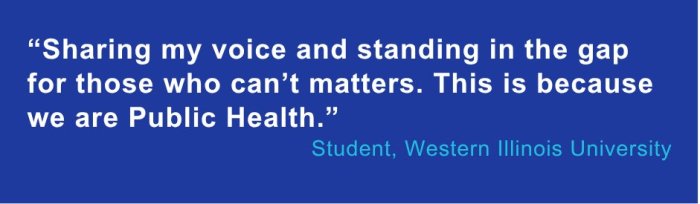
The day closed with a “Fireside Chat: Advocacy in Action” panel featuring advocacy professionals from Pfizer, the Michael J. Fox Foundation, Aetna Better Health of Illinois, Livingston County Health Department, the Illinois Primary Health Care Association, and an independent lobbyist, who encouraged students to trust their own expertise and get involved with organizations working on issues they care about. As one Western Illinois University student put it, “sharing my voice and standing in gap for those who can’t matters. This is because we are Public Health.”
IPHA thanks its Student Advocacy Day sponsors, including Pfizer, Ben Lazare Consulting, UIC School of Public Health, Illinois Environmental Health Association, SIU School of Medicine, Eastern Illinois University, Adams County Health Department, UIS State Center for Public Policy, and the Illinois Public Health Nurse Administrators. Three students won complimentary registration to IPHA’s Annual Public Health Workforce Conference in September: Alhassan Sani, Sarah McLaughlin, and Keturah Kanaka.

Being an IPHA member means never navigating public health alone. From timely policy updates to new tools for professional growth, FY26 brought members more ways than ever to stay informed, supported, and connected.
IPHA membership provides vital information about policy, legislation, best practices, current trends, and timely issues. Through weekly and monthly publications, members receive the news, data, and intelligence needed to make informed decisions, including Mid-Week News, Spotlight, the Executive Director’s Message, the Legislative and Policy Update, Advocacy Alerts, the Billing Digest and Billing Bulletin, Vax Facts, Training Corner, and the CHW Newsletter. Members also benefit from a wide variety of webinars, Lunch and Learns, and in-depth trainings on topics across public health.
During FY26, the IPHA Membership team added several new value-added benefits:
- IPHA Academy, launched in February 2026, is IPHA’s new Learning Management System giving members access to a full library of public health training courses, webinars, and resources designed to build the skills needed in today’s public health environment.
- All IPHA members can also receive a 20% tuition discount on A.T. Still University’s College of Graduate Health Studies online graduate degree and certificate programs, meaningful savings on nationally accredited, flexible programs built for working health professionals.
The National Board of Public Health Examiners offers IPHA members a discounted rate on the Certified in Public Health exam, along with opportunities to learn how certification can strengthen career growth.

Whether it’s a discount on tuition, a free financial coaching session, or simply knowing the latest policy update is one click away, IPHA membership keeps showing up for the people doing the work.

ASSETS
| CURRENT ASSETS | ||
| Cash and cash equivalents | $1,887,764 | |
| Certificate of deposit | $100,000 | |
| Accounts receivable | $1,464,768 | |
| Prepaid expenses | $111,752 | |
| Total current assets |
$3,564,283 |
|
| NONCURRENT ASSETS | ||
| Property and Equipment, net | $53,491 | |
| Right-of-use lease assets | $1,684,543 | |
| Total noncurrent assets | $1,738,034 | |
| Total assets | $5,302,317 | |
| CURRENT LIABILITIES | ||
| Accounts payable | $820,583 | |
| Deferred revenue | ($432,016) | |
| Payroll liabilities | $120,543 | |
| Operating lease liability, current portion | $72,246 | |
| Total current liabilities | $581,355 | |
| NONCURRENT LIABILITIES | ||
| Operating lease liability, net of current portion | $1,616,885 | |
| Total liabilities | $2,198,240 | |
| NET ASSETS | ||
| Without donor restrictions | ||
| Undesignated | $3,004,077 | |
| Board-designated | $49,000 | |
| With donor restrictions | $51,000 | |
| Total net assets | $3,104,07 | |
| Total liabilities and net assets | $5,302,317 |
To request a hard copy of the audit, email: ipha@ipha.com after January 1, 2027.

In FY25, IPHA launched a Business Development Plan to expand and diversify its sources of funding and revenue by building strategic partnerships with organizations that share IPHA’s mission and values. In FY26, that work helped secure support across a wide range of public health priorities:
|
PARTNER |
AMOUNT |
PURPOSE |
| Meridian | $50,000 | Third-Party Billing Support, assisting local health departments, CBOs, and other providers with credentialing, contracting, billing, and electronic health records for HIV, STI, and other public health services |
| Pfizer | $10,000 | Helping launch the Immunize Illinois Coalition |
| Humana | $25,000 | Supporting the Immunize Illinois Coalition’s vaccine outreach and training efforts |
| Humana | $425,000 | Forward4Families, engaging CHWs across Illinois to improve maternal and child health outcomes through the development of a resource and training network |
| Merck | $20,000 | Advocacy grant supporting a policy forum during National Immunization Month and related vaccine advocacy |
| The Molina Healthcare Charitable Foundation | $100,000 | Pilot project enlisting CHWs to help vulnerable residents in select counties maintain Medicaid coverage |
| Blue Cross and Blue Shield of Illinois | $535,000 | Strengthening maternal and child health outcomes through expanded training for CHWs, doulas, and lactation professionals in rural communities |
| DentaQuest | $5,000 | Donation to the IPHA Scholarship Fund |
| Pfizer | $5,000 | Sponsorship of IPHA’s Student Advocacy Day |
In addition to this funding, IPHA’s Business Development team secured $86,362.50 in sponsorships, exhibit booths, and advertising fees supporting IPHA’s 85th Annual Workforce Conference.

Executive Council
The IPHA Executive Council provided strategic oversight and governance throughout FY2026, guiding the association’s advocacy, workforce development, member engagement, and partnership priorities while ensuring IPHA’s continued financial stability.
The Council completed a full revision of the IPHA Executive Council Bylaws this year and maintained a consistent focus on transparency and accountability in its governance practices. It supported leadership development among Council members and committee chairs, and worked to ensure that decision-making across the association reflects the communities IPHA serves.
On the advocacy front, the Council backed legislative and policy initiatives strengthening public health infrastructure, workforce capacity, and equitable access to care, while deepening collaboration with partner organizations to amplify shared public health priorities. On workforce development, the Council supported training and educational opportunities for members, encouraged engagement from students and early-career professionals, and worked with academic and practice partners to strengthen the public health pipeline.
The Council also expanded IPHA’s network of collaborative partnerships this year, particularly with other public health associations, and oversaw continued financial stewardship that leaves the association well-positioned to support its initiatives going into FY2027.
Looking ahead, the Executive Council will continue advancing IPHA’s mission with a focus on equity and impact, expanding advocacy at the national, state, and local levels, and strengthening member engagement and leadership development, with particular emphasis on early-career professionals and student members.
FY2026 (July 1, 2025 to June 30, 2026)
|
ROLE |
NAME |
| President | Duane Stevens |
| President-Elect | Amanda Mehl |
| Secretary | Olufemi Olulaja |
| Treasurer | Joan Stevens-Thome |
| ARGC | Jerrod Welch |
| Executive Council Member At-Large | Dr. Susan Olivo-Marston |
| Executive Council Member At-Large | Aishwarya Balakrishna |
| Executive Council Member At-Large | Brian Chen |
|
PARTNER ORGANIZATIONS |
REPRESENTATIVE |
| Illinois Public Health Nurse Administrators | Emily Hendrickson |
| Illinois Association of Public Health Administrators | Molly Peters |
| Illinois Environmental Health Association | Lenore Killam |
| Illinois Oral Health Coalition | Megan Reutter |
| National Center for Rural Health Professions | Vicki Weidenbacher-Hoper |
|
SECTION LEADER(S) |
|
| Academia | Dr. Susan Olivo-Marston, Chris Atchison |
| Family Planning, Maternal, and Child Health | Susan Cheng, Aishwarya Balakrishna |
| Nursing | Sarah Williams, Laura Barrett |
| Student | Aimee Janssen-Robinson |
| Community Health Workers | John Ridley, Greg Scott |
|
STAFF LISTING |
|
| Tom Hughes | Executive Director |
| Jeffery Erdman | Deputy Executive Director |
| Krissy Roseberry | Associate Deputy Executive Director |
| Nancy Caldwell | Chief Financial Officer |
| Melissa Graven | Associate Executive Director for HIV/STI Programs |
| Phil Talley | Business Development and Membership Director |
| Anne Zhao | Data Analytics and Evaluation Manager |
| Zohaib Zahir | Assistant Director for Training and Community Engagement |
| Tracey Smith | Associate Executive Director for Public Health Practice |
| Cheryl Harvey | Communications Specialist |
| Tracey Vogelsang | Program Manager |
| Dominic Musgrove | Program Manager |
| Kelci Osborn | Program and Data Systems Manager |
| Emily Inman | Health Access and Community Engagement Specialist |
| Brian Hasse | Program Manager |
| Arné Burns | Public Health Education and Training Manager Co-Director, IPHA Training Center |
| Claire Hughes | Community and Family Health Program Manager Co-Director, IPHA Training Center |
| Mariah Menietti | Workforce Development and Program Coordinator |
| Patrick Holstein | Assistant Financial Officer |
| Kayla Lowe | Business and Fiscal Manager |
| Nicole Dodd | Business and Fiscal Associate |
| Tim Mattsson | Administrative Assistant and Fiscal Support |
| Maureen Colston | Association Support (Part-time) |
| Meredith Krantz | Public Information Officer |
| Don Kauerauf | Public Health Program and Data Advisor |
| Paula Clark | Contractual Program Manager |
| Shelly Ebbert | Contractual Trainer |
| Cecilia Hardacker | Contractual Workforce Development and Program Specialist |
| Christian Cambray | Contractual Trainer |
| Stephanie Standish | Contractual Staff |
lllinois Public Health Association
500 West Monroe Street, Ste. 1E
Springfield, IL 62704
Phone: 217.522.5687
Click here to view and download a PDF version of the IPHA Fiscal Year 2026 Annual Report.